
 님
님
 내 쑥쑥트리
 쪽지
쪽지 내글
내글 스크랩
스크랩 내댓글
내댓글 북클럽
북클럽 날따방
날따방 모임터
모임터 쑥쑥몰
쑥쑥몰
 체험이벤트
체험이벤트

 로그아웃
로그아웃 PC버전
PC버전




컨텐츠 공모전 열한번째 포스팅입니다.
이번 주제는 간단하지만 재미있는 "과학실험"을 영어로 해보기 입니다..
1. "It's melting" 에 관한 초간단 실험
- 먼저, 녹는것과 녹지 않는 것에 대해 알아봅니다.
The ice cream melts.
The candle melts.
The clolk doesn't melt.
I don't melt.

- 실험하기
준비물 : 유리컵 2개, 뜨거운물과 차거운물(얼음물), 설탕, 소금, 종이
뜨거운물과 차가운 얼음물은 준비한후 설탕을 한스푼 넣고 녹여 봅니다.
뜨거운물은 금방 스르륵~ 녹고, 차가운 물에서는 잘 녹지 않는 것을 확인 합니다..
Sugra melts quickly in the hot water.
Sugar melts slowly in the cold water.
소금과 종이로도 실험해 봅니다..
간단한 실험인데도 아이들 너무 좋아합니다..

- 표로 정리하기

2. 물질의 성질 비교 실험
Put black paint into water.
Put that water in the bottle and put some oil in the bottle.
Mix them and watch them.
What will happen?
Water is going to the bottom and oil is going to the top.
They don't mix.
Do you know why?
아이들 어쩌구 저꺼주 시끄럽게 자기의견을 말합니다.
Because their dinsities are different.
Water is heavier than ole. and oil is going up to water.


3. 물의 순환을 알아보는 실험
- 사전지식 (Prior Knowledge)
This Picture is about water cycle.
The water in the sea or river is evaporated by the syn.
The water turns into vaper and up into the sky.
The cool air makes the vapor condense into a cloud.
The cloud makes the rain.
And the water go back into the sea or river.

먼저, 미리 두꺼운 책을 냉동실에 넣어둡니다.
물을 조금 냄비에 넣고 끓입니다.
그러면 물이 수증기로 변하는 걸 볼 수 있고(evaporate)
이때 차가워진 책을 수증기 위에 놓고 쐬면 물이 응결(condense)하는 걸 볼 수 있습니다.
Water ==> Evaporation => Vapor => Condensation => Water 이런 순환과정을
눈으로 확인할 수 있습니다.

- 준혁이가 다이어리에 정리한 물의 순환 그림입니다.

활동후, 관련 책으로 아주 좋습니다.
4. 구름 만들기
- 준비물 : big glass, hot water, plastic bag, tape(or rubber band)
1. Put hot water into the glass.
2. Cover with plastic bag and tap the cover.
3. Put some ice cubes on the plastic bag.
수증기가 맺혀서 뿌옇게 구름처럼 뭉치는 것을 볼 수 있습니다..


5. 밀가루 찰흙만들기 (ORT : Make a mud pie)
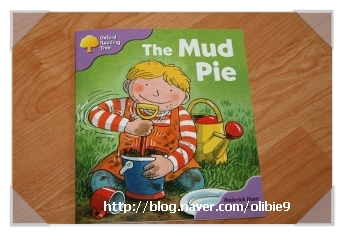
잘 굳지 않는 밀가루 찰흙을 만들어서 여러가지 모양을 만들어요~
준비물 : 밀가루 1컵, 소금 반컵, 뜨거운물(3/4컵)에 식용유 1숟가락 탄 것
1. Put in flour (밀가루를 붓고)
2. Mix in salt. (소금을 썪어주고)
3. Put in water (뜨거운물을 부어서)
4. Mix it all together. (다 같이 잘 썪어주고)
5. Tip it out. (쟁반으로 꺼내서)
6. Pat it flat (납작하게 두드려 주기)


6. 재미있게 과학을 배우는 사이트
http://school.discoveryeducation.com/homeworkhelp/science/science_homework_help.html
Lakes, Rivers, and Underground Water
Watch this program with your child, then find a local waterway in your area and explore where it starts and where it ends. [Video]
Use this exploration to talk about where the water comes from that goes into your local waterway. Use the Student Sheet for record-keeping and answering questions about the water begins and ends. [Exploration]
Learn about the different parts of a watershed and how water changes as it moves through the watershed to the ocean. [Video]
The Chemistry of Fireworks
July 4 fireworks are really all about chemistry. Investigate with your child what goes into making the "rocket's red glare" on Independence Day! [Video]
Take a look at how a simple home chemistry set was used to solve a complex crime involving forgery and murder. [Video]
Learn about the difference between acids and bases and what their common uses are. Use the pop-up button to click on the live screen to get more information. [Interactive]
City Birds
Summer is a perfect time to learn about the different species of birds. Whether you live in the city, country, or suburbs, you can turn your backyard into a place that attracts many different kinds of birds. [Video]
Organism Needs
Help your child learn about what habitats are, using the Exploration, Organism Needs. [Simulation]
Learn from Molly and Dave about how to build a habitat to attract many species of butterflies. [Video]


 [영어요리]<세계의요리>스위스편 초간단 치즈폰듀