
 님
님
 내 쑥쑥트리
 쪽지
쪽지 내글
내글 스크랩
스크랩 내댓글
내댓글 북클럽
북클럽 날따방
날따방 모임터
모임터 쑥쑥몰
쑥쑥몰
 체험이벤트
체험이벤트


 로그아웃
로그아웃 PC버전
PC버전




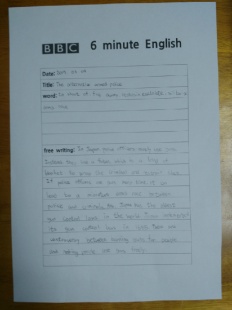
6분방 친구들~
새학년 새학기 잘 시작하셨나요?
새로운 선생님과 친구들과 함께 2018년도 행복하고 즐겁게 보내길 바래요~
이번주 자료 update가 좀 늦었읍니다.
월요일에 올리려고 노력중인데 저도 직장맘이다보니 ^^
늦어도 수요일까지는 올리도록 할께요~
이번주 주제는 "Hello" 네요.
이 단어의 두가지 측면을 이번 주제에서 말하고 있네요.
하나는 사람들과의 상호작용의 시작으로서의 인사말 : hello
그리고 hello라는 말이 어떻게 생기게 되었는지에 대한 유래에 대한 이야기~
우리는 사람들과의 만남에서 처음 시작이 인사로 시작하지요.
말로 인사하기도 하고 말과함께 악수를 하거나 가볍게 안거나 뺨을 부비는 나라도 있구요.
그 모습속에서 상대방과의 관계의 깊이가 보이지요.
이번주 주제를 보면서 우리나라말의 "안녕하세요? 도 한번 찾아보게 되었고
우리가 전화를 할때 사용하는 " 여보세요" 라는 말도 궁금하여 찾아보게 되었습니다.
저도 인터넷으로 찾은 자료라서 부족하지만 조금이나마 도움이 되길 바라며 ^^
좋은 한주 되세요 ~
< 스크립트 요약>
It's usually the first word you say to people, but the word 'hello' has an unusual history. And just why are greetings so important?
We both started with what is probably the best-known greeting in English and one of the first words English language students learn, and that is 'hello'!
Why are greetings so important?
Andy Scott, author (Greetings are the subject of a new book, by former British diplomat Andy Scott, called One Kiss or Two:)
These are the first moments of interaction we have with people. And it's in those first moments, and using those verbal and physical rituals that we have and we can get in such a muddle about, that we're kind of recognising each other and reaffirming our bonds or even testing our bonds and our relationships with each other, we're signalling our intentions towards each other, despite the fact we might not necessarily be conscious when we're doing them.
relationship
We can reaffirm our bonds, which means we confirm them and make them stronger.
Though he also said we sometimes want to test our bonds. We might want to check if our friendship has grown by offering something warmer than usual – like a hug instead of a handshake.
Where does 'hello' come from?
Dr Laura Wright, Linguist and BBC presenter
It starts as a distant hailing: "I see you miles over there and I've got to yell at you." It's not until the invention of telephones we really get to use hello as a greeting to each other, and even then it wasn't initially used as a greeting, it was used more as an attention-grabbing device: "You are miles away, the line is about to be cut, I need to attract the attention of the operator as well."
And so everybody would call 'hello' to each other as this long-distance greeting form.

<참고자료>
https://en.wikipedia.org/wiki/Hello
http://www.nytimes.com/1992/03/05/garden/great-hello-mystery-is-solved.html 안녕하세요 유래 안녕(安寧) 우리 일상에서 가장 많이 쓰이는 한자어 중 하나가 안녕입니다. 편안할 안, 편안할 녕, 하루에도 몇 번씩 주고받는 인사말입니다. 안녕이라는 말의 유래는 매우 오래되었습니다. 3천 년이 넘는 유구한 역사를 자랑하는 중국 고전 《시경(詩經)》에는 “난리가 평정되어 안녕해지면”이라는 말이 있고, 전국시대의 중국 고전 《장자(莊子)》에도 “천하의 안녕을 바라며 백성의 목숨을 살린다.”는 말이 있습니다. 《시경》과 《장자》에 나오는 안녕은 평화롭고 조용하다는 뜻으로, 인사말은 아닙니다. 우리나라에서 안녕이라는 말이 언제부터 인사말이 되었는지는 분명하지 않습니다. 다만 조선왕조실록이나 승정원일기를 보면 국왕을 비롯하여 신분이 높은 사람들의 안부를 묻고 답할 때 안녕이라는 말이 쓰인 경우를 자주 볼 수 있습니다. 예컨대 “주상 전하의 옥체는 안녕하십니까?”라고 물으면 “안녕하다”라고 대답하는 것이지요. 이것이 점차 널리 쓰이면서 일상적인 인사말로 자리잡은 듯합니다. 안녕하지 못한 것이 바로 미안(未安)입니다. 아닐 미, 편안할 안, 편안하지 않다는 말입니다. 지금은 자신의 잘못을 사과하는 말로 쓰이지만, 원래는 그런 뜻이 아닙니다. 미안은 내 잘못 때문에 마음이 편치 않다는 뜻이 아닙니다. 나 아닌 누군가의 온당치 않은 처사로 인해 내 마음이 불편하다는 뜻입니다. 다시 말해 우리 고전에서 미안은 온당치 않아 마음이 불편하여 받아들이기 힘들다는 뜻으로, 완곡한 반대 의사를 나타내는 표현입니다. 이것이 미안의 원래 뜻입니다. 한 대학생이 사회적 문제에 대한 대학생들의 관심을 촉구하기 위해 쓴 ‘안녕들 하십니까’라는 대자보가 큰 반향을 일으키고 있습니다. 많은 학생들이 안녕하지 못하다며 호응하고 있습니다. 안녕하지 못하다면 미안하다는 건데, 대학생들이 미안한 이유 역시 그들의 잘못 때문이 아닐 것입니다. 지금 벌어지는 일들이 온당치 않다며 반대하는 그들의 목소리에도 귀를 기울일 필요가 있습니다. 출처 : https://blog.naver.com/hyyimmm/220436907557 http://legacy.www.hani.co.kr/section-009100003/2003/08/009100003200308291911132.html 여보세요의 유래
http://www.jbnews.com/news/articleView.html?idxno=92584
Vocabulary
minefield
subject full of hidden problems
full of uncertainty and even danger.
This sense comes from the literal meaning – a field full of explosive landmines!


air-kiss
a kiss which does not touch the face, but goes very close

bond
connection
ritual
pattern of behaviour in a certain context
to get in a muddle
to become confused

to hail
to greet someone loudly from a distance



 초5 앨리스