
 님
님
 내 쑥쑥트리
 쪽지
쪽지 내글
내글 스크랩
스크랩 내댓글
내댓글 북클럽
북클럽 날따방
날따방 모임터
모임터 쑥쑥몰
쑥쑥몰
 체험이벤트
체험이벤트


 로그아웃
로그아웃 PC버전
PC버전




If two people are talking lively and you don't understand their culture or their language, you might think they are having an argument.
이번주 주제는 non verbal communiction 비언어적인 의사소통에 대한 이야기입니다.
verbal communication도 국가, 지역의 문화적 차이가 있지만 비 언어적 의사소통도 많은 문화, 지역적 차이가 있습니다. 그리고 우리의 의사소통에서 비 언어적 의사소통이 상당한 비중을 차지하고 있기에 이 또한 매우 중요합니다. 실제 대화에서 겪게 되는 많은 비언어적 요소에 대한 올바른 이해가 있어야만 정확하고 효율적으로 뜻을 전달하고 받아들일 수 있습니다.
같은 제스쳐라도 문화에 따라 다른 의미를 나타내는경우가 있기때문에 잘못 인식되는 경우가 많습니다.


[스크립트 요약]
Using gestures is common in some countries but not in others.
Then there are some movements – like shaking your head – which mostly means ‘no’ but in some countries can mean the opposite.
There are plenty of gestures you need to be careful with when you’re meeting and greeting people from a culture that’s different to your own – to avoid offending people – or making an awkward faux pas…
For example, our every day use of the thumbs-up signal might offend people from the Middle East.
How easy it is to misunderstand why people behave the way they do in everyday situations when we don’t belong to the same culture.
[Erin Meyer, Business Professor in Dubai]
A while ago I was in Dubai and one of my students, my Emirati students, was driving me home after a session and the car stopped at a light and she rolled down the window, and she started shouting at someone outside of the window. This guy was crossing the street with a big box of cloth. And he started shouting back, and she opened up the door, and they started gesticulating and shouting at one another. And I thought, wow, they’re having a huge fight, I thought maybe he was going to hit her. And she got back in the car, and I said, well, what were you fighting about? And she said, ‘Oh no, no, we weren’t fighting, he was giving me directions to your hotel.’ And I thought that was a great example of how someone from another culture may misperceive or misunderstand something as a fight when in fact they were just being emotionally expressive.
Erin Meyer was worried because her student and the man on the street were shouting and gesticulating at each other. She thought they were having a fight when in fact they were just being emotionally expressive.
In some Southeastern European areas such as Bulgaria and southern Albania, shaking your head is used to indicate "yes". In those regions, nodding in fact means "no" as well.
[ 손동작의 차이]
미국인들끼리는 서로가 너무나도 잘 알고 있는 엄지손가락과 검지손가락을 둥글게 해서 만드는 OK 싸인은 다른 나라사람들에게는 전혀 엉뚱한 의미로 바뀌어 전달될 수가 있다. 다음에 제시된 실제 사건은 보다 사실적이고 구체적으로 그 예를 보여준다.
Several years ago, a U.S. vice president visited a country in South America. While he was exiting from the airplane, someone from below asked, “How was the trip?”
The vice president didn’t think he could be heard over the crowd, so he used the OK sign.
In the country he was visiting, however, the sign was interpreted the way “giving the bird” is interpreted here.
The local paper printed a picture of our vice president giving the equivalent of the bird to that country.
Needless to say, the people of the country were not too pleased(demonstrations, egg throwing, etc.). (Richmond & McCroskey, 2004:295)
위의 사건으로부터 알 수 있듯이 비언어적 메시지를 서로 이해하지 못함으로 인해서 국가 간의 오해가 생길 수 있으며 국가 간의 우의를 다지기 보다는 자칫 오해와 불화를 일으킴으로써 국가 상호간에 불이익을 초래할 수 있다.
참고로 다음에 제시된 표를 살펴보면 비언어적인 신체언어에 있어서 문화 간의 큰 차이가 있음을 알 수 있다.
〈표 8〉국가 간의 인사(Greetings)와 몸짓(Gestures)의 차이
Country | Greetings | Gestures |
1. Brazil | Effusive, extended handshakes. | OK sign is vulgar. Good luck is thumb between index and middle finger while in a fist. |
2. China | Nod, bow, or handshake. | Do not speak with hands. Point with open hand. |
3. Denmark | Handshakes firm & brief for both arriving/leaving. | OK sign is insult. In theater, enter with back to stage, not seated people. |
4. England | Handshake. Say “How do you do?” | Impolite to talk with hands in pocket. Give V with palm facing outward. Inward is insulting, rude. |
5. France | Shake hands. Touch cheeks. Kissing the air. | Thumbs up means OK. OK sign means zero. Don’t chew gum in public. |
6. Germany | Shake hands firmly. Men may kiss woman’s hand. | Formal/reserved. Little smiling. Few displays of affection. |
7. Japan | Very aware of Western habits. Handshake is good. Their handshakes may be soft or limp. Bow is the traditional greeting. | OK sign means money. Beckon to come is done with palm down. |
(Richmond & McCroskey, 2004:297-298)
위의 표에서 살펴 볼 수 있듯이 한국문화와 일본문화는 몸짓언어(gestures)에 있어서 공통점이 있음을 알 수 있다. 한국과 일본에서 OK sign은 현금(cash)를 의미하지만 미국에서는 ‘good’ 혹은 ‘everything is fine’을 의미하며 미국문화권에서의 현금(cash)은 엄지손가락으로 다른 나머지 손가락을 비비는 것으로 표현한다. 그리고 누군가를 부를 때는 한국과 일본에서는 손바닥을 아래로(palm down)하고 오라는 손짓을 하지만 미국에서는 손바닥을 위로하고 마치 애완동물을 부르는 듯한 손짓을 함으로써 이런 문화차이를 잘 모르는 한인들을 당황하게 할 수 도 있다. 다음에 나오는 이야기는 손동작의 차이로 인해 한국인과 미국인 사이에 생긴 의사소통장애를 구체적으로 보여주고 있다.
A Korean tells of how offended he was when he was beckoned by an American friend using the typical American gesture.
It is accomplished with the hand in a palm upward position.
The index finger is repeatedly and rapidly pointed at the individual called and
then flexed toward the caller.
The Korean became angry and felt insulted because in Korea this gesture is used to threaten someone or to call an inferior person or a child.
The Korean gesture to call someone consists of waving the hand with the palm down towards the person called.
Americans confuse this gesture with “goodbye.”
(Klopf & Park, 1982:105)
참고문헌 : 영어영문학연구 제38권 제2호 (2012) 여름 271-288 '언어적 문화차이로 인한 의사소통장애에 관한 연구 -한・미간의 문화를 중심으로-' (이 상 혁-계명대학교)
참고 동영상 자료
https://www.youtube.com/embed/OWFPHW7BCCI
(American Hand Gestures in Different Cultures)
https://www.youtube.com/embed/qCo3wSGYRbQ
Gestures Around the World
Vocabulary
no hard feelings
something you say to somebody you have argued with or beaten in a game or contest to say you’d still like to be friends
(ex)
No hard feelings is something you say to somebody you have argued with to say you’d still like to be friends.

to fall out with somebody
to argue or disagree with them
(ex) “I fell out with my best friend at school. We didn’t talk to each other for a whole week!”


gesture
a movement you make with your hands or head to express what you are thinking or feeling
(ex) “She opened her arms wide in a gesture of welcome.”
the verb – “I gestured to Neil that we only had one minute left to finish the show!"
gesticulate’ which means to make gestures with your hands or arms!


faux pas offend expressive showing what you think or feel (ex) “Tim has a very expressive face.” “I waved my hand expressively to signal to Neil that it was time to finish the show.”
saying or doing something embarrassing in a social situation
(ex) “I committed a serious faux pas at a party last night 

to make somebody angry or upset
(ex) I hope you didn’t offend too many people 


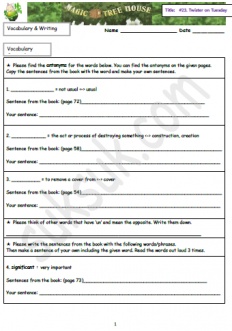

 매직트리하우스 중등반